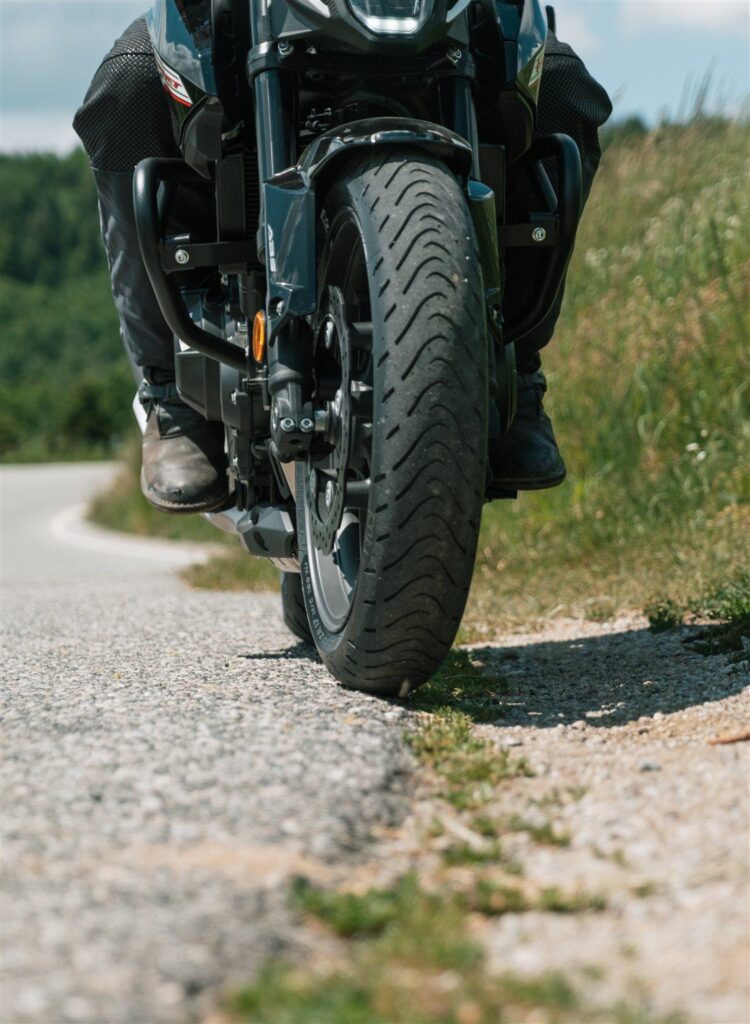
Your motorcycle’s tires are the only point of contact between the bike and the road. Whether you’re a daily commuter, a weekend rider, or a motorcycle parts distributor, understanding how to identify a quality tire is essential for safety, performance, and long-term value.
In this guide, we’ll explain the key factors that separate a premium motorcycle tire from a low-quality one.
1. Examine the Tread Pattern
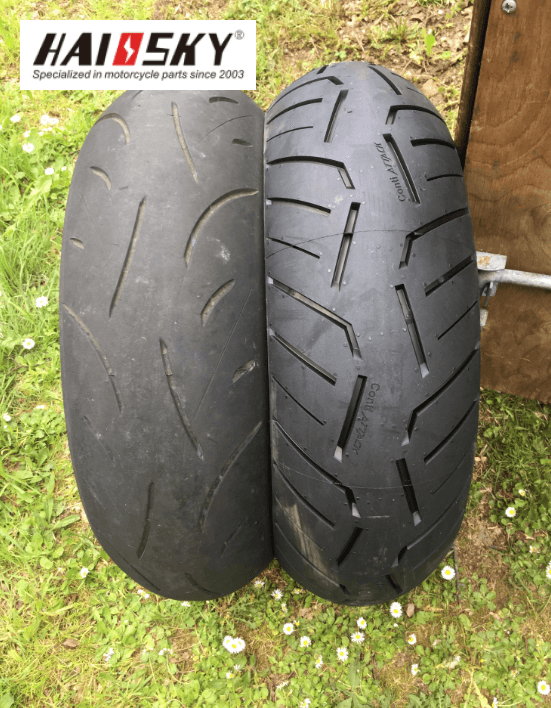
The tread pattern directly affects grip, water drainage, and riding stability.
A high-quality motorcycle tire should feature:
- Deep, uniform tread grooves
- Symmetrical and well-designed tread blocks
- Clear manufacturing details without flashing or defects
Avoid tires with shallow tread depth, uneven patterns, or visible molding imperfections, as these may reduce traction and wear out more quickly.
2. Check the Rubber Compound
The quality of the rubber compound has a significant impact on durability and road grip.
A premium tire typically offers:
- Excellent flexibility without feeling overly soft
- Strong resistance to cracking and aging
- Stable performance in both hot and wet conditions
Poor-quality rubber often becomes hard after a short period of use, reducing grip and increasing braking distance.
3. Inspect the Sidewall Construction
The sidewall supports the tire under load and helps maintain stability during cornering.
A reliable motorcycle tire should have:
- Smooth, clean sidewalls
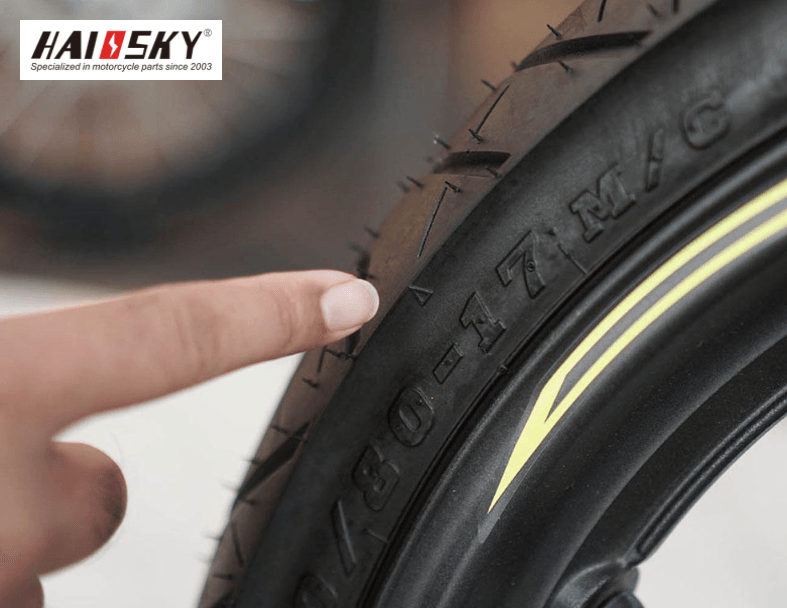
- Clearly printed size, load index, and speed rating
- No bubbles, cracks, or deformation
Any defects on the sidewall may indicate poor manufacturing quality or improper storage.
4. Evaluate the Internal Structure
Although the internal construction cannot be seen directly, it greatly influences tire performance.
Well-manufactured tires provide:
- Better shock absorption
- Improved high-speed stability
- More even wear throughout their service life
High-quality carcass materials also reduce the risk of tire deformation under heavy loads.
5. Verify Manufacturing Date
Rubber naturally ages over time, even if the tire has never been used.
Before purchasing, check the DOT production code on the sidewall.
For example:
DOT 2525 indicates the tire was manufactured in the 25th week of 2025.
Whenever possible, choose tires produced within the last two years to ensure optimal performance.
6. Look for Quality Certifications
Reputable manufacturers typically produce tires that comply with international quality standards.
Common certifications include:
- ISO 9001 Quality Management
- E-Mark Certification
- DOT Certification (United States)
- SNI or other regional certifications where applicable
These certifications indicate that the tire has undergone standardized testing for quality and safety.
7. Consider Overall Value Instead of Price Alone
The cheapest tire is rarely the most economical choice.
A high-quality tire generally offers:
- Longer service life
- Better fuel efficiency
- Improved riding comfort
- Enhanced braking performance
- Greater safety in wet and dry conditions
Investing in reliable tires often reduces replacement frequency and maintenance costs over time.
Final Thoughts
Choosing the right motorcycle tire is about much more than appearance or price. By evaluating tread design, rubber quality, sidewall construction, manufacturing date, certifications, and overall performance, riders can make informed purchasing decisions that improve both safety and riding experience.
At HAISSKY, we are committed to supplying dependable motorcycle tires and a comprehensive range of motorcycle spare parts that meet the needs of distributors and riders worldwide. Our products are carefully selected to deliver consistent quality, durability, and excellent value for global markets.