
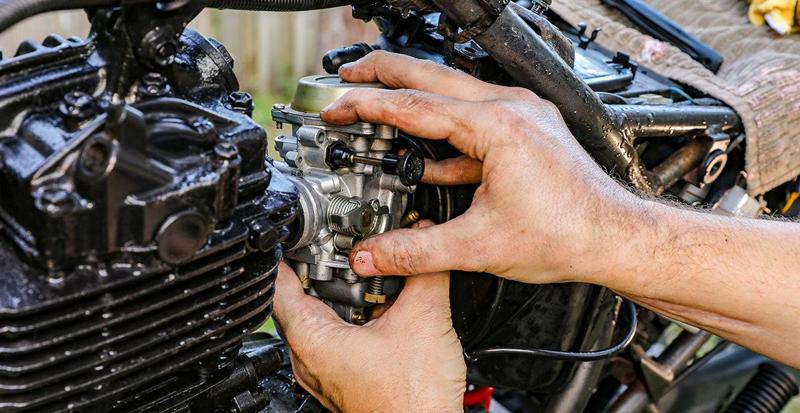
Choosing the correct motorcycle carburetor requires careful consideration of multiple factors beyond just engine displacement. While many people assume that any carburetor matching the cc rating of the engine will work, in reality, performance, engine design, and installation compatibility all play a critical role. A carburetor is responsible for delivering the correct air-fuel mixture, and even minor mismatches in size, mounting, or internal configuration can lead to poor throttle response, hard starting, and reduced efficiency.
The first step in selecting a carburetor is to verify the compatibility with the specific engine model. Intake diameter, mounting type, and alignment with the air filter system must be accurate to prevent air leakage or unstable idle. Engines with similar displacement may still require different carburetors depending on stroke design, intake manifold, and typical usage conditions. Therefore, understanding the engine’s operational characteristics is essential for achieving consistent performance.
Internal components of the carburetor, such as the main jet, pilot jet, and needle position, significantly influence performance across different throttle ranges. Two carburetors of the same external size may behave differently if their jetting is configured differently. A lean configuration can cause engine overheating and knocking, while a rich setup results in higher fuel consumption and carbon buildup. It is also important to consider the type of fuel system, float chamber design, and inlet orientation to ensure stable fuel supply under all operating conditions.
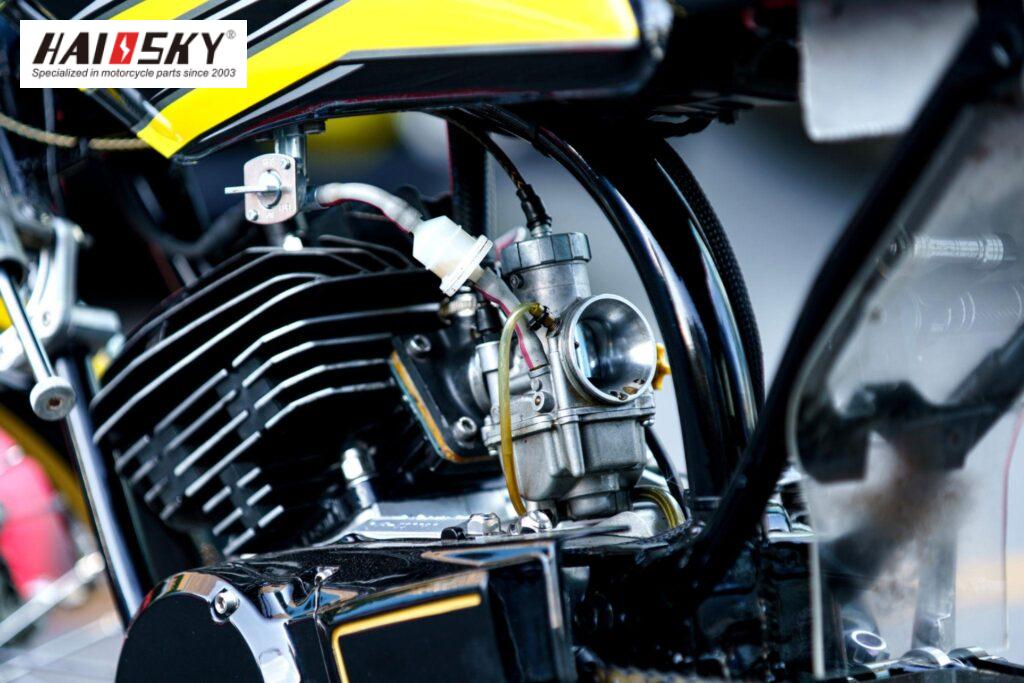
Environmental and market-specific factors must also be considered. In areas with low-quality fuel or dusty roads, carburetors with more stable fuel delivery and adequate filtration are preferred. High-load or off-road usage demands a design that maintains consistent performance under stress. Neglecting these factors is a common reason for performance issues and high return rates in the motorcycle parts market.
Regular maintenance is necessary even for properly selected carburetors. Periodic cleaning, inspection of jets, and verification of float and needle operation help maintain stable engine performance. Choosing the right carburetor is ultimately a combination of matching the engine design, selecting appropriate internal configuration, and considering operating conditions. Correct selection ensures optimal performance, efficiency, and reliability, while incorrect choice is often the root cause of engine problems observed in real-world applications.