
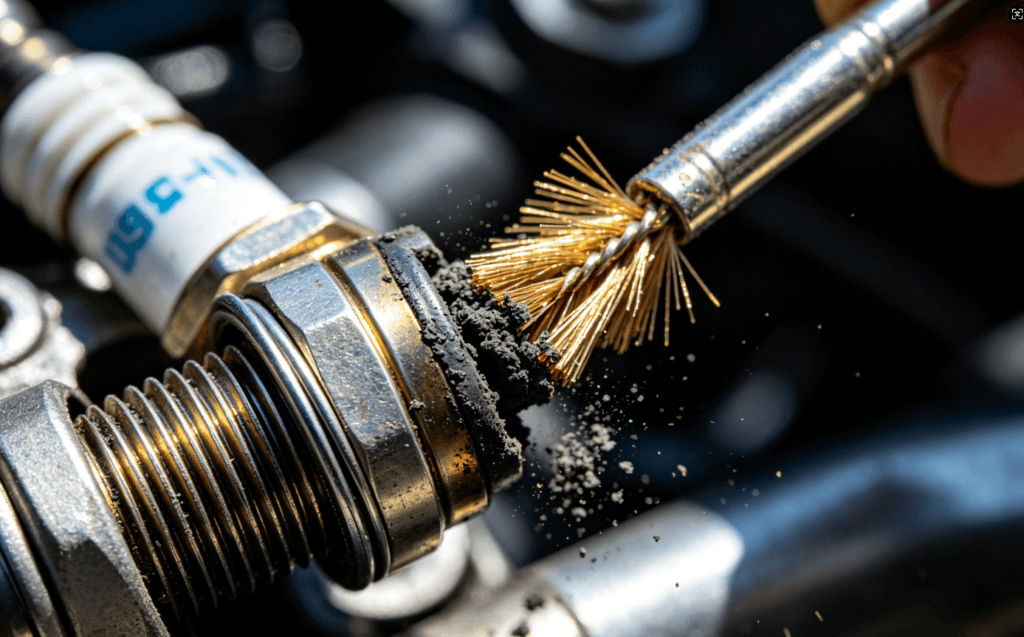
The spark plug is the “ignition core” of a motorcycle engine, directly affecting starting, power, and fuel consumption. Many motorcycle enthusiasts struggle to tell the difference between good and bad spark plugs when replacing them, and they also tend to neglect maintenance in daily use. Today, we’ll use the simplest methods to teach you how to identify quality and perform maintenance.
I. Quickly Identify Spark Plug Quality (4-Step Simplified Version)
No professional instruments are needed; even beginners can easily master this by focusing on the core details:
1. Look at the Appearance
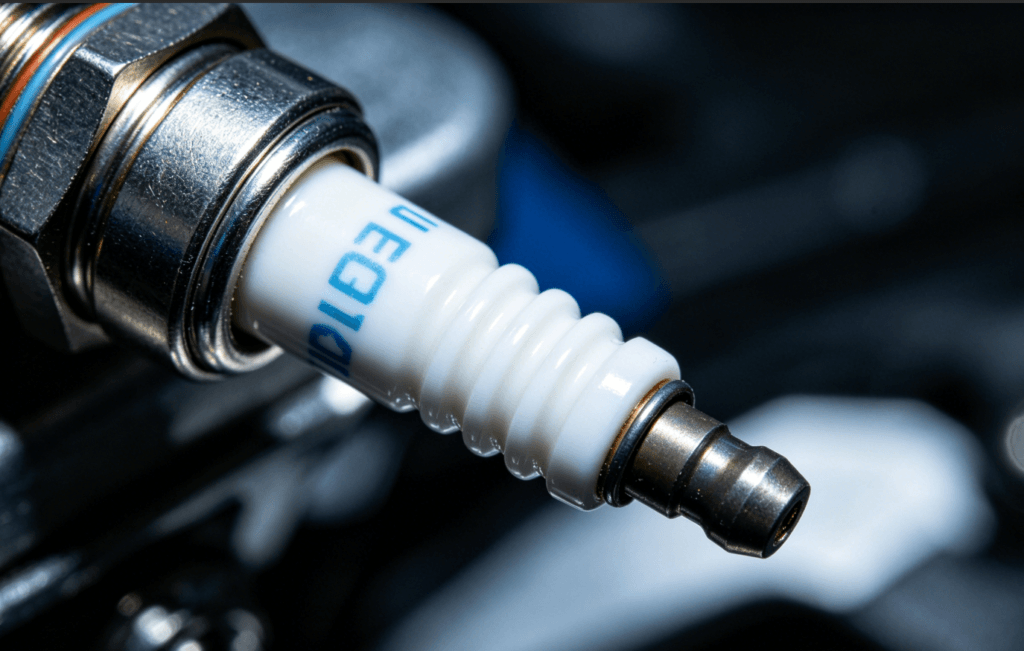
- High-quality: The ceramic has a uniform color without cracks, the electrodes are flat and free of oxidation, and the metal shell has a perfect coating with regular threads.
- Low-quality: The ceramic is dull with defects, the electrodes are skewed and blackened, and the threads are rough and prone to stripping.
2. Test the Spark
Using a high-voltage igniter for testing, a high-quality spark plug produces a stable, strong blue spark; a low-quality one produces a weak, yellowish spark, or may even fail to spark. (Note: Take precautions during testing to avoid electric shock.)
3. Check the Parameters
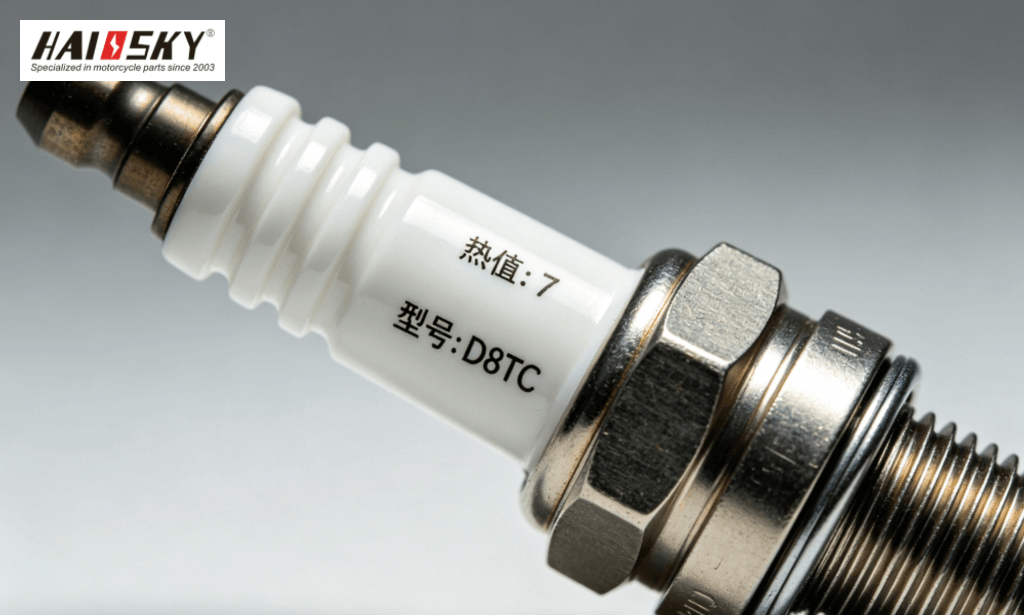
Focus on matching three points: the heat value (choose level 4-6 for daily commuting), the electrode material (select nickel alloy/platinum/iridium as needed), and the model specifications (consistent with the original factory). Avoid blind upgrades.
4. Choose the Right Brand
Prioritize regular brands and authorized channels. Reject “three-no” products (no brand, no parameters, no after-sales service) to avoid damaging the engine.
II. Daily Spark Plug Maintenance (4 Core Points)
Proper maintenance can significantly extend the life of the spark plug and reduce vehicle operating costs:
1. Regular Inspection
Inspect every 5,000 kilometers. Focus on checking the electrode color (normally tan), cleaning minor carbon deposits, and adjusting the electrode gap.
2. Standardized Installation
Clean debris from the spark plug hole before installation. After hand-tightening, use a socket wrench to tighten to the standard torque to avoid under-tightening or over-tightening. Avoid prolonged low-speed idling, occasionally rev the engine to clear carbon deposits, and use high-quality fuel.
3. Develop Good Riding Habits
4. Replace on Time
- Nickel alloy: Every 20,000-40,000 km
- Platinum: Every 40,000-80,000 km
- Iridium: Every 80,000-100,000 kmReplace promptly if difficulty starting or loss of power occurs.
III. 3 Major Misconceptions for New Riders to Avoid
Myth 3: Never replacing it. Even without obvious faults, it needs to be replaced periodically.
Myth 1: The most expensive is the best. Low-displacement models don’t need to blindly choose iridium plugs.
Myth 2: Ignoring heat value matching. Random replacement can easily lead to carbon deposits and ablation.