
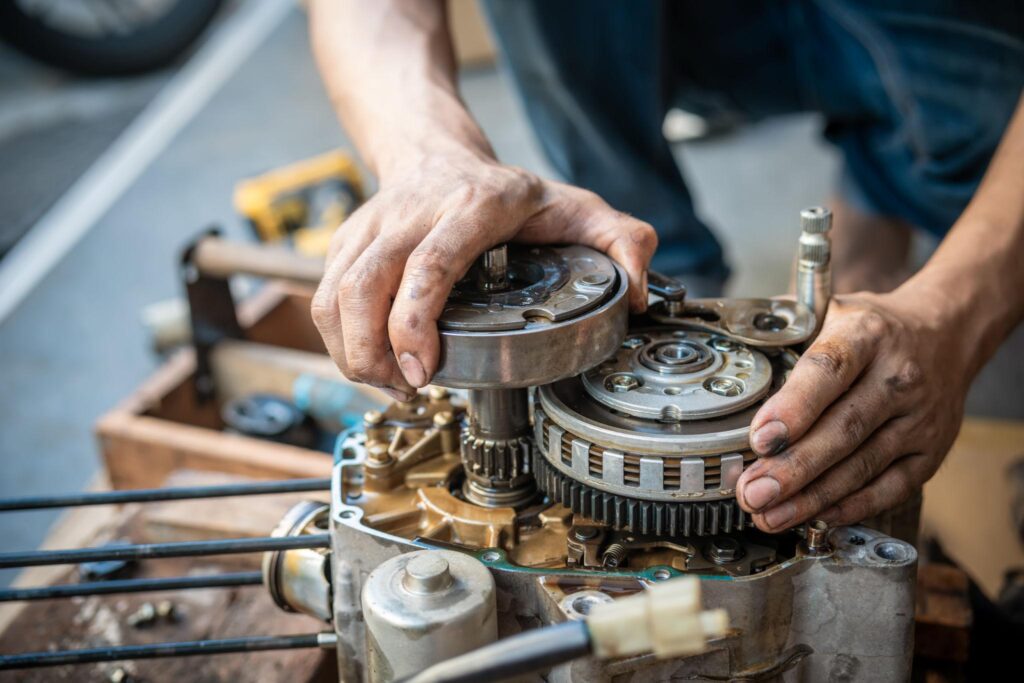
Motorcycle starter motors are essential components in the ignition system, especially for motorcycles used in daily transportation and commercial applications. Although starter motors may appear similar externally, differences in internal materials and manufacturing quality can greatly affect reliability and service life.
One of the most common signs of a low-quality starter motor is unstable starting performance. Weak internal components may cause slow cranking speed, delayed ignition, or inconsistent operation, particularly after extended use. In some cases, the starter may produce abnormal noise during operation, indicating poor internal assembly or insufficient motor power.
The quality of the housing and internal wiring is also important. A well-manufactured starter motor typically features a clean metal finish, secure assembly, and properly insulated wiring. Lower-quality products may use thinner materials or poor electrical connections, increasing the risk of overheating and premature failure.
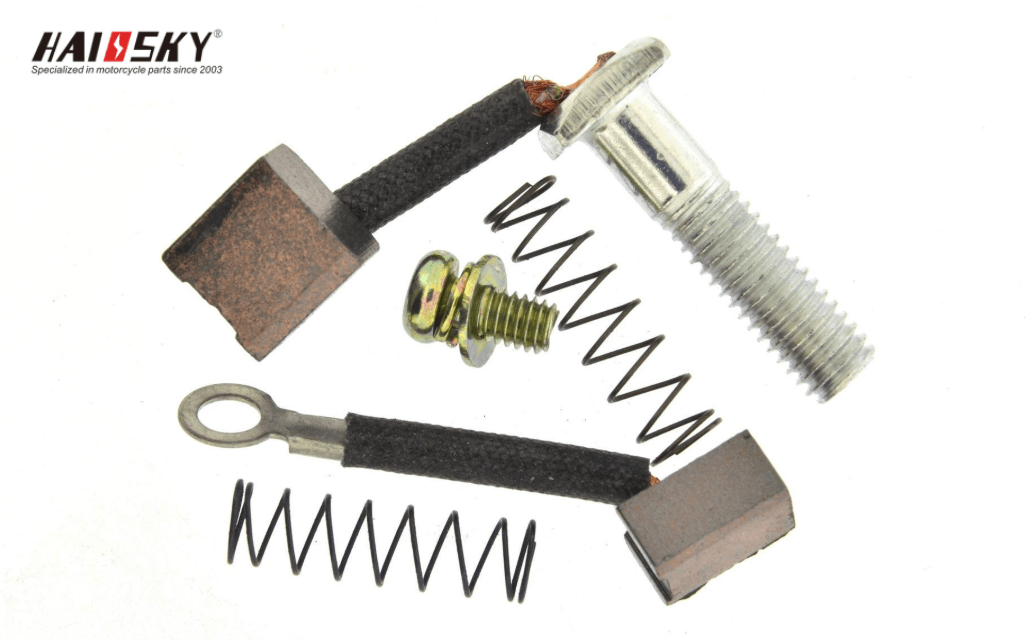
Carbon brushes and internal copper components also influence durability. High-quality starter motors generally use wear-resistant brushes and better conductive materials to ensure stable current transmission. Inferior components may wear out quickly, reducing starting efficiency over time.
Attention should also be given to sealing and moisture resistance. In humid or dusty environments, poorly sealed starter motors are more likely to suffer from internal corrosion or contamination, which can directly affect performance and reliability.
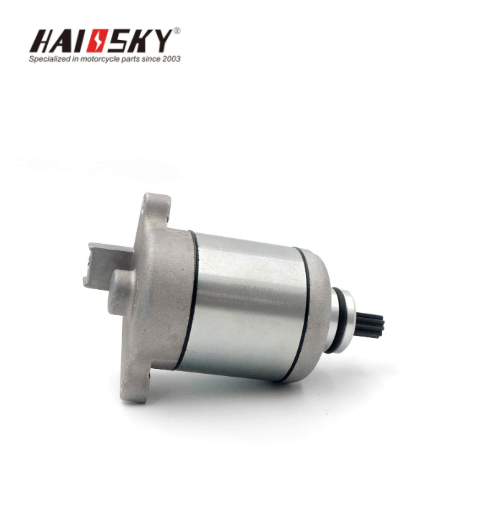
As motorcycles continue to be widely used in various road and weather conditions, selecting a properly manufactured starter motor becomes increasingly important for maintaining stable operation and reducing maintenance issues.